

Loch Morar doesn't look like much from the A830. A grey sheet of water behind a strip of birch, a few parked cars, a hill on the far side. Then you read the numbers: roughly twelve miles long, and the deepest freshwater loch in the British Isles at something over 300 metres. Paddle out from the west end and within an hour you are somewhere with no road, no houses and very few other people. For a beginner, that is both the attraction and the caution. Here is what you need to know before you go.
Getting there and where to launch
Morar sits on the A830 about an hour and a quarter west of Fort William, and the Fort William to Mallaig railway stops in the village. The west end of the loch is a short drive from there, which makes it one of the most accessible big-loch launches on the west coast.
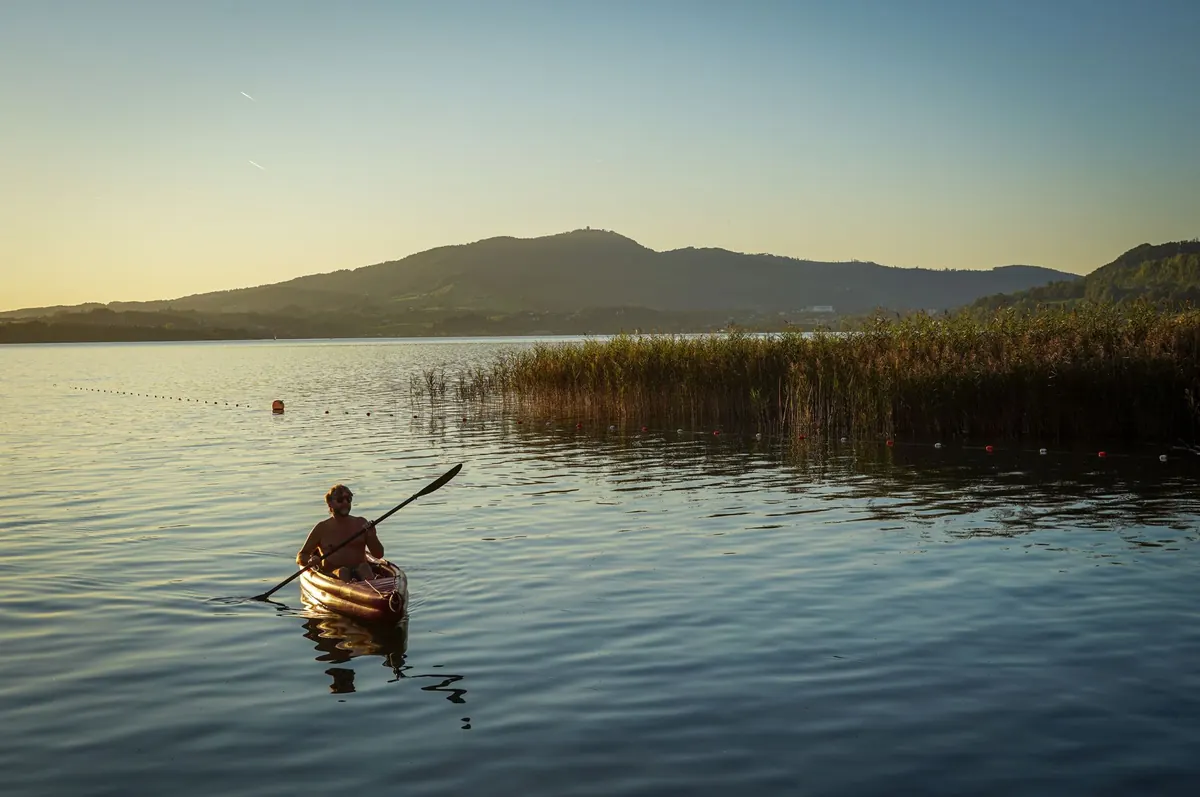
- The west end, near the outflow. The simplest option. Park nearby, carry a short distance to the shore, and you are away. This end is also the most sheltered, with islands and easier landing places close at hand. It is where a first trip should start and finish.
- Bracorina, on the north shore. Follow the single-track road along the north side. There is a car park and a short but rough carry over grass and rock. Quieter than the west end and a good alternative when the main parking is busy.
- The end of the public road towards Tarbet. Informal parking, then a steeper carry down to the water. Popular with anglers. Only worth it if you are comfortable moving a loaded boat over uneven ground.
Two things to avoid. Don't launch on the River Morar, which is short, rocky and drops over the falls in a gorge — it is not beginner water, and the pool at the mouth is tidal. And don't assume you can hop out anywhere: for long stretches the south shore is steep, wooded and rocky, with very few places to land a loaded canoe.
What the loch is actually like to paddle
The loch runs roughly west to east, which matters more than anything else here. Wind blowing along that axis has twelve miles of fetch to build waves, and it can arrive quickly on an afternoon that started glassy.
The west end is a different proposition from the east. Out to the islands, the water is comparatively forgiving, there are beaches and inlets to stop at, and you are never far from the car. Push east and the hills close in, the shoreline steepens, and the sense of commitment grows with every stroke. The head of the loch is genuinely remote, reached on foot or by bike from Strathan at the head of Loch Arkaig, and there is a bothy there looked after by the Mountain Bothies Association. Check its current condition before you rely on it.
Realistic plan for a first visit: an out-and-back from the west end, two to three hours on the water, lunch on an island, home for tea. The full length is an expedition, not a day out.
Weather, water and safety checks
West coast weather changes its mind. Build these checks into every trip.
- Forecast. Look at a mountain or coastal forecast that covers wind speed and direction for the day, not just a general outlook. Light winds and settled air are your window.
- Wind. Ask what it will do along the loch, not just at the car park. A breeze that feels gentle at the west end can be hard work two miles out.
- Cold water. Dress for immersion, not the air temperature. A wetsuit or dry trousers, a cag, and a buoyancy aid done up properly. Cold water shock is what catches people on inland lochs, even in July. If cold water is new to you, go out with someone experienced or take a course first.
- Communication. Phone signal is patchy to non-existent along much of the loch. Carry a dry-bagged phone, and for a full-length attempt a personal locator beacon or satellite messenger. Tell someone your plan and your turnaround time.
- Landing spots. Note them on the way out. Coming back tired against a headwind is not the time to be looking for an exit.
- Ticks and midges. Cover up at camp and check yourself at the end of the day. A spreading rash or flu-like symptoms after a bite is worth a conversation with a doctor. Midges are worst on calm, damp evenings from late May to September; a head net costs little and saves evenings.
Camping on and around the loch
Scottish access rights allow wild camping on unenclosed land, which includes most of Loch Morar's shore. Keep it small, keep it short, and leave nothing behind. Use a stove rather than a fire — dead wood is scarce on these shores and a fire scar lasts for years.
The best pitches are around the west end: flat ground behind the little beaches, and a few spots on the islands. The east end near the bothy is superb but remote, so treat it as a night for a committed trip rather than a first outing. For the night before or after, there are commercial sites in Morar, Arisaig and Mallaig. Rules on informal camping have been tightened in some popular parts of the Highlands, so check current guidance from NatureScot and the local council before you travel.
Wildlife to expect
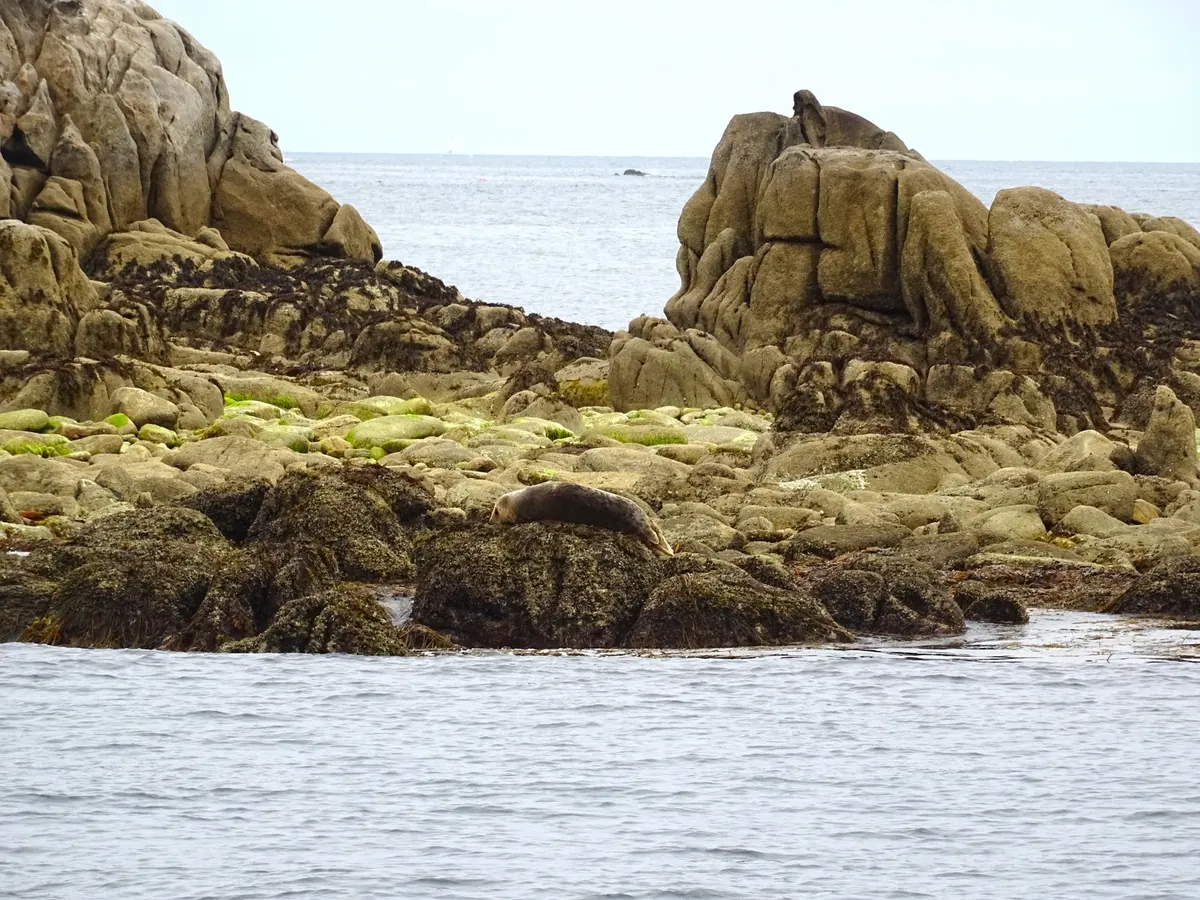
Otters are the star turn, often working the shallows at dawn and dusk. Red deer graze the hillsides and swim across the loch surprisingly often. Look for black-throated and red-throated divers, golden eagle over the ridges, white-tailed eagle along the coast, herons, greylag geese, and dippers on the river. Pine marten visit quiet campsites. In the water there are brown trout, salmon and sea trout running the river, and Arctic char, a relic of the last ice age, in the deep, cold water.
Keep your distance, especially from nesting birds between May and July — give the islands a wide berth if birds are circling and calling. And yes, the loch has its own legendary creature, Morag. Nobody has produced a photograph worth framing, but it is a fine story to tell over a stove.
If you want to fish
Angling in Scotland needs permission from whoever holds the rights, so ask locally rather than trailing a line behind the boat. Salmon and sea trout rules are stricter than for coarse fish, and seasons vary. Sort the permit before you pack the rod.
A simple first-trip plan
- Park at the west end and check the forecast one last time from the shore — you can see the loch from here.
- Paddle east along the north shore for an hour, staying within easy reach of land.
- Stop for lunch on one of the islands or a beach, and watch the water for wind streaks.
- Turn back early. Aim to be off the water by mid-afternoon, before the wind builds.
- Log your return with whoever is expecting you.
Before you go
A sea kayak or an open canoe both suit Loch Morar; a short playboat does not, given the fetch. Pack spare warm clothes in a dry bag, a first aid kit, a simple repair kit, food, and something to treat drinking water if you plan to draw from the loch — it is peaty and not a tap. Take a spare paddle and a towline if you are paddling in company.
The skill that matters most here is not a stroke, it is judgement: knowing when to turn round, when to hug the shore, and when to leave the boat on the roof and walk instead. Do that, and the west end of Loch Morar on a calm morning is as gentle an introduction to big Highland water as you will find.
Photo: Alexandre Moreira / Pexels