

Loch Fleet does its best work quietly. On a December morning the light arrives late, the tide is somewhere out in the middle of a wide sand basin, and the whole place looks like an empty beach. Then you lift binoculars and it fills up: long grey shapes on a far bank that resolve into seals, a scatter of wigeon whistling across the flats, and a red-throated diver working the channel beyond the causeway.
This is a tidal loch, not a Highland glen loch. It drains, fills, and drains again twice a day, and almost everything you see here is arranged around that rhythm. Learn the tide and you learn the place.
Why Loch Fleet Works in Winter
The loch sits behind a narrow mouth on the Sutherland coast between Golspie and Dornoch. Inside, it opens into a shallow basin of sandbanks, mudflats and saltmarsh, crossed by the old causeway known as the Mound. Sheltered water, rich feeding, and a shoreline that floods and empties completely — that combination is why winter birds and seals use it so heavily.
Winter also brings the arrivals. Whooper swans and greylag geese come down from Iceland and northern Europe, joining ducks that spend the cold months on the estuary rather than heading further south. At the same time, the visitor numbers drop. On a weekday in January you may have a whole sandbank and a hundred birds to yourself.
Seals: Reading the Sandbanks
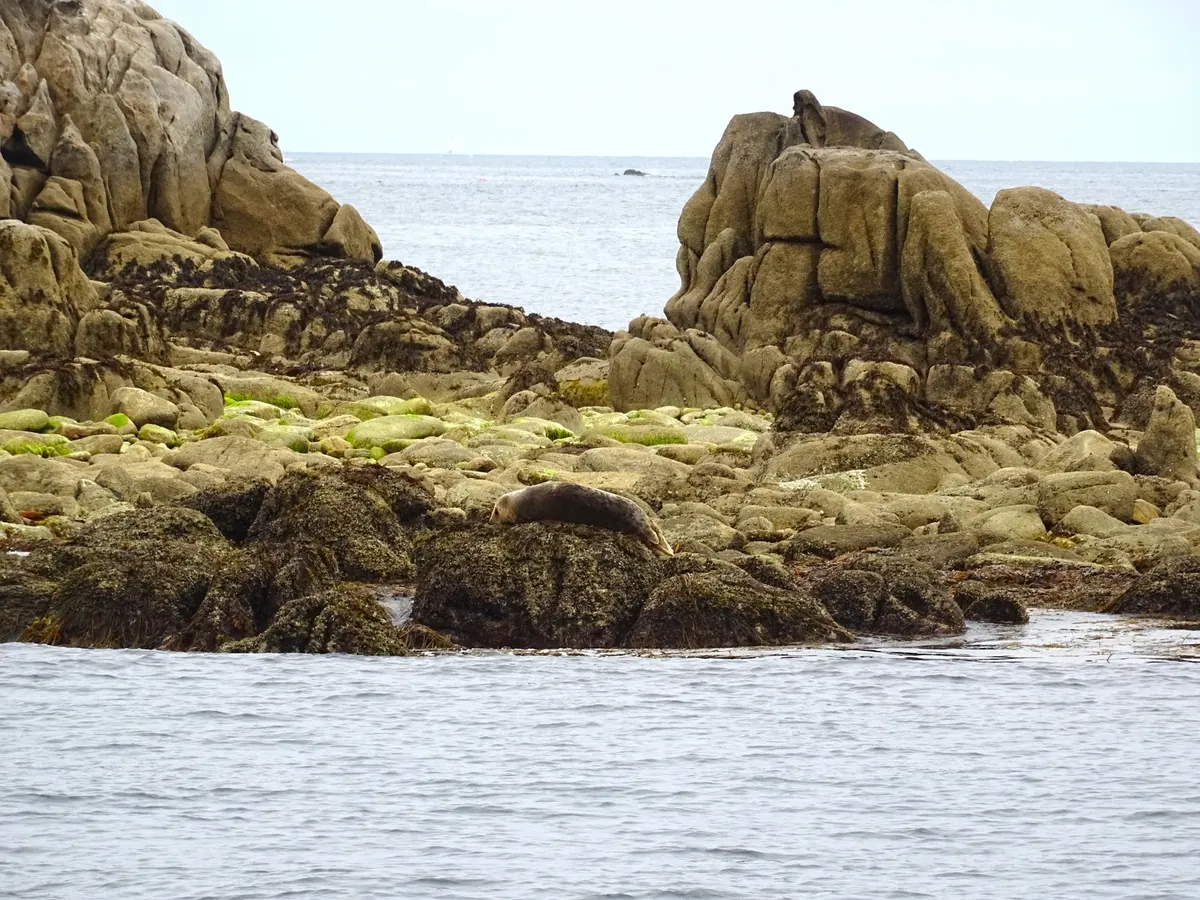
Both grey seals and harbour seals appear in the loch. At low water they haul out on the exposed banks to rest and warm up; as the tide covers those banks, they tend to be in the water, feeding or simply drifting with just a head showing.
Look for the classic banana posture — head and tail lifted, body sagging in the middle. From a few hundred metres the two species are hard to tell apart, but with a scope the differences show: grey seals are bigger with a long, sloping "Roman" head, harbour seals smaller with a rounder, dog-like profile and no forehead slope.
Watch the group, not just the individual. A resting seal will lift its head to check you, then settle. If heads stay up, animals start shuffling toward the water, or the whole bank slides into the sea at once, you are too close. That rush costs them energy they cannot easily replace in winter.
Ducks, Swans and Waders on the Flats
As the tide pushes in, wildfowl are forced off the middle of the basin and towards the edges, which is when the viewing gets good. Wigeon are the soundtrack — a soft whistling from feeding flocks. Teal dabble at the margins, shelduck stand about looking disapproving, and goldeneye dive in the deeper channels with a brisk, business-like air.
Red-breasted mergansers are everywhere on the loch and easy to pick out: slim, shaggy-crested, with a thin red bill, often fishing in loose groups. Eider and the occasional long-tailed duck work closer to the mouth. Out on the fields behind the shore, greylag geese graze, and small parties of whooper swans feed in wet ground — upright necks, yellow-and-black bills, nothing like the arched necks of mute swans.
Waders complete the picture: oystercatcher, curlew, redshank, dunlin and bar-tailed godwit scattered over the mud at low water. The safest way to enjoy them is a slow scan at distance rather than a walk along the tide line.
Divers and Grebes: The Open Water Specialists
Divers are the reason some people drive here on a freezing morning. They fish, so they stay on the water, and they spend most of their time underwater. Scan slowly, then wait for a bird to surface — often a long way from where it dived.
What you are looking at
- Red-throated diver — small and slim, pale grey-brown above with a fine, slightly upturned bill.
- Black-throated diver — chunkier, stronger contrast, with a striking white flank patch in winter.
- Great northern diver — big and heavy-billed, dark-headed, sitting low in the water.
- Slavonian and great crested grebes — neat, compact winter birds, often closer in than divers.
- Red-necked grebe — the occasional bonus, with a heavier, hunched look and a thick yellow-based bill.
Timing Your Visit: Tide, Light and Weather
Tide
The tide is the timetable. Low water exposes the banks — that is seal time and wader time. As the water rises, ducks, grebes and divers are pushed towards the shore, so the last two hours before high water usually gives the closest views of wildfowl. Check a tide table for the Dornoch or Golspie area before you set off; the mouth at Littleferry is a reasonable reference point, but allow some slack for wind pushing water up the firth.
Light
Midwinter daylight here is short — roughly six hours between first and last usable light, with the sun low in the south. Plan to arrive mid-morning and to leave by mid-afternoon. Direction matters: from the north side at Skelbo you are looking south into the low sun; from the south side your light is behind you, which is much easier on the eyes and better for identifying birds on the water.
Weather
Frost and calm air give the sharpest views. Wind is the enemy of a telescope and the friend of nothing, so on a blustery day find a wall, a bank or the lee side of your car to sit behind. A hard cold snap often pushes more birds onto the estuary, so the least comfortable mornings can be the most rewarding.
Where to Watch From
- The Mound car park — right on the causeway, with the basin spread out on both sides. Easiest access, but take real care on and around the A9.
- Skelbo, north side — minor road with wide views over the sandbanks. Good for low-water counts of hauled-out seals.
- Littleferry, south side — near the mouth, where sea ducks, eider and divers are most likely. Quieter shoreline and good walking.
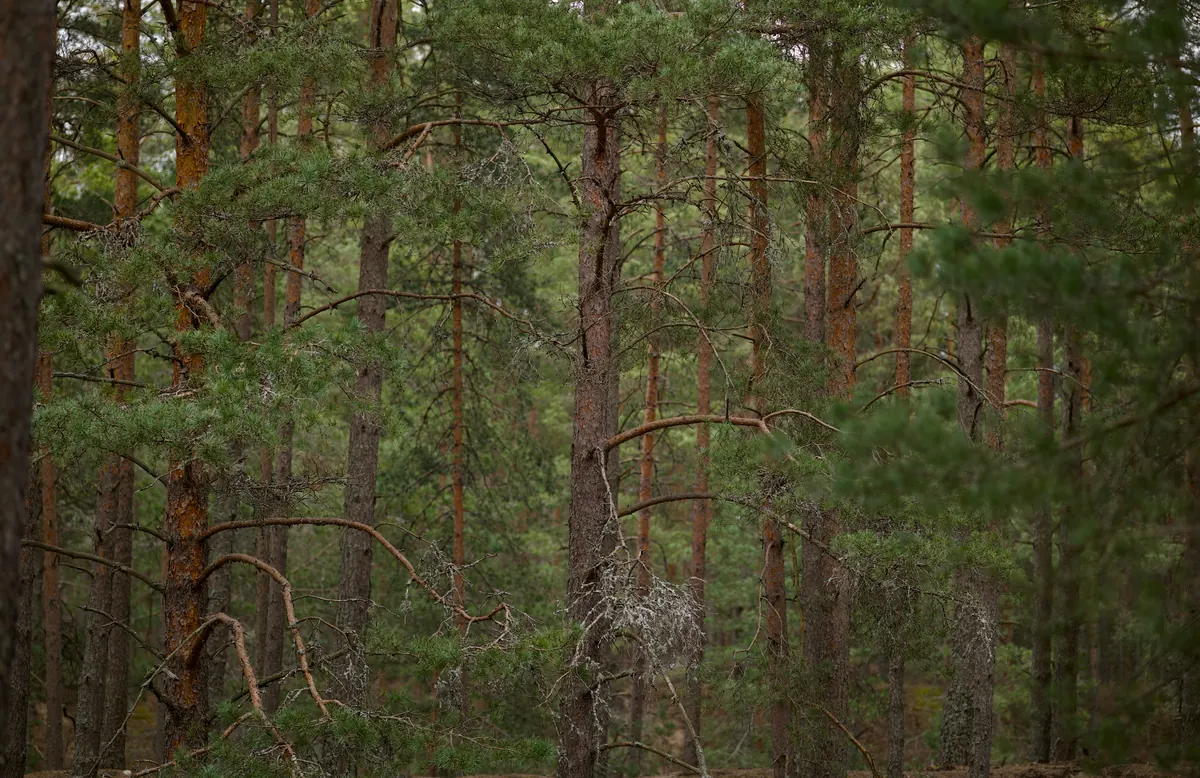
- Balblair pinewoods — a change of habitat for when the tide is wrong, with woodland birds, crossbills, and red squirrels if you are patient.
Quiet Observation: The Rules That Matter
- Stay on established paths, tracks and the roadside. Do not walk out onto the sandflats or banks.
- Use optics, not your feet. A telescope on a tripod from 200 metres beats creeping to 50 metres every time.
- Watch for warnings: lifted heads, birds shuffling, wings opening, a sudden flush.
- Keep dogs on a short lead and close to you near the shore and the fields.
- Leave the drone in the car. Over roosts and haul-outs it is exactly the wrong tool.
- Move slowly, avoid skylining yourself, and keep colour muted.
- If you have caused a flush, back off and take a different route rather than waiting for the birds to settle.
Disturbance of some protected species is a legal matter, but the simpler argument holds year round: in winter, every unnecessary flight costs a bird food it needs to survive the night.
Practical Notes for a Winter Day
Dress for standing still rather than walking. That means a windproof shell, a warm hat, gloves, and boots that cope with wet grass and cold mud — you will be stationary for long stretches, and the cold gets in through the feet first. Binoculars of 8x42 or 10x42 do most of the work; a spotting scope adds a great deal on divers and distant seals. Bring a flask, a spare pair of socks, and a notebook or phone for notes.
Parking is limited to small car parks, laybys and passing places, so never block a gate or farm access, and turn around rather than squeezing into a verge. Food, fuel and toilets are in Golspie and Dornoch. Mobile signal is patchy along parts of the coast road, so tell someone where you are going.
Loch Fleet is a National Nature Reserve, which means the wildlife comes first: take nothing, leave nothing, and keep the ground under your boots. Do that, and a short winter afternoon here will give you more than a long summer one — seals on a cold bank, a flock of whoopers coming in low, and a diver surfacing somewhere you did not expect.
Photo: capricorn sound / Pexels