

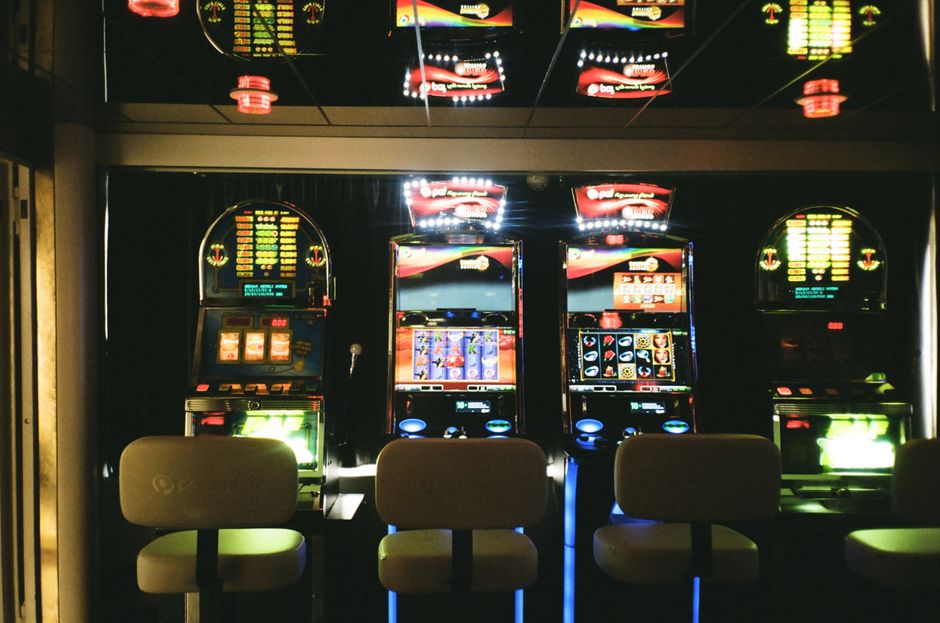



Every few months, someone posts a video of a slot machine paying out a life-changing jackpot, and the comments section splits into two camps: those convinced the machine was "due" and those who insist it's all random. Both camps are partly right, and partly wrong, and the gap between them is where the most interesting stuff in iGaming actually lives.
If you've spent any real time around casinos, betting apps, or poker tables, you've probably noticed that not all games treat you the same way. Some reward patience and pattern recognition. Others reward nothing at all except walking away while you're ahead. Understanding which category a game falls into isn't just trivia; it's the difference between a hobby and a slow drain on your bank account.
The House Edge: Not All Games Are Created Equal
Let's start with the number that matters most and gets mentioned least in casual conversation: the house edge. It's the mathematical advantage the casino holds over the player on every bet, expressed as a percentage. It doesn't mean you lose that percentage on every spin, but over thousands of hands or spins, it's roughly how much the house keeps.
- Blackjack (basic strategy): around 0.5% house edge, one of the friendliest bets on the floor.
- Baccarat (banker bet): roughly 1.06%, which is why high rollers gravitate toward it.
- European roulette: 2.7%, thanks to that single zero.
- American roulette: 5.26%, because that extra double zero is brutal over time.
- Slots: typically 2% to 10%, though some progressive jackpot machines push higher.
- Keno and some lottery-style bets: often 25% or more.
That spread is enormous. Two players with identical budgets, one on blackjack and one on keno, will have wildly different long-term experiences even if they play the same number of hands. Most casual players never look this up, which is exactly why it's worth knowing.
Slots: Randomness With a Personality
Slots get a bad reputation, sometimes deservedly, sometimes unfairly. Modern video slots run on random number generators, which means every spin is independent of the last. The machine doesn't "know" it hasn't paid out in an hour. There's no memory, no mood, no cosmic debt to settle. Readers looking for specifics may like slot depo 5k.
What does vary is volatility. A low-volatility slot like a classic fruit machine pays small amounts frequently, which feels gentle but rarely produces fireworks. High-volatility slots might go fifty spins without a meaningful win, then hit something enormous. Neither is "better"; they just suit different temperaments. If you hate dry spells, high-volatility games will drive you up the wall.
And yes, volatility matters more than house edge for how a session actually feels. A player can lose an entire bankroll on a 4% edge machine with terrible variance, while a friend on a 6% edge game gets two big hits and walks away grinning. Short-term results are noisy. That's not the casino cheating; that's just how probability behaves over small sample sizes.
Poker: The One Game Where Skill Genuinely Compounds
Here's the thing that separates poker from almost everything else in a casino: you're not playing the house. You're playing other people, and the house just takes a rake. That single structural difference changes everything.
In the long run, a skilled poker player can be a consistent winner because they're exploiting weaker opponents, not fighting a mathematical disadvantage baked into the rules. The skills that matter are specific and learnable:
- Position awareness: acting last gives you more information and more control of the pot.
- Hand selection: folding dominated hands preflop is unglamorous but hugely profitable.
- Reading ranges, not tells: modern players think in terms of what hands an opponent could have, not just nervous twitches.
- Bankroll discipline: playing stakes you can afford, so a bad session doesn't wreck you emotionally or financially.
- Emotional control: tilt has probably cost more money than bad luck ever has.
Betting markets are similar in one way and very different in another. Sports betting, especially on major leagues, is efficient enough that beating the closing line consistently is genuinely hard. But it's not impossible. Sharp bettors look for soft lines, injury news the market hasn't priced in, or niche leagues where bookmakers have less data. The edge exists; it's just thin and requires real work.
Why "Due" and "Hot" Are Both Traps
The gambler's fallacy is the belief that independent events owe you something. A slot that hasn't paid in 200 spins is not more likely to pay on spin 201. A roulette wheel that landed red eight times isn't "due" for black. Each outcome is independent, and the wheel has no memory of your suffering.
The opposite mistake, the hot-hand fallacy, is just as costly. Winning streaks feel like proof of a pattern, but on random games they're usually just what randomness looks like in small batches. Clusters happen. That's not a signal; that's statistics.
Where pattern recognition actually pays off is in games with human opponents. Reading a tight player who suddenly raises big, or noticing a sportsbook lagging behind a starting lineup announcement, those are real edges. They come from information, not from superstition.
Practical Takeaways Before Your Next Session
None of this requires a math degree to apply. A few habits separate players who have fun and stay in control from those who burn out fast:
- Pick games with a lower house edge when you have a choice. Blackjack and baccarat over keno, every time.
- Match game volatility to your temperament and bankroll, not to the jackpot size in the marketing banner.
- Set a loss limit before you start and actually stop when you hit it.
- Treat sports betting and poker as skill pursuits that require study, not as lottery tickets with extra steps.
- Remember that promotional bonuses and free spins have terms attached; read the wagering requirements.
The uncomfortable truth is that most casino games are designed so the house wins over time, and no strategy changes that. What strategy changes is how well you navigate the variance, how long your money lasts, and whether the experience is genuinely enjoyable or quietly stressful.
The Bottom Line
Luck and skill aren't opposites in iGaming; they're ingredients mixed in different proportions depending on what you're playing. Slots are almost pure luck with a dash of bankroll management. Poker and sports betting lean heavily on skill but never escape variance entirely. Blackjack sits somewhere in the middle, rewarding discipline with a smaller edge for the house.
Knowing where each game sits on that spectrum is the single most useful thing a player can learn. It won't turn a losing game into a winning one, but it will stop you from expecting the impossible, chasing losses that were never going to come back, and mistaking a random hot streak for personal genius. Play the game in front of you, not the one you wish you were playing.