

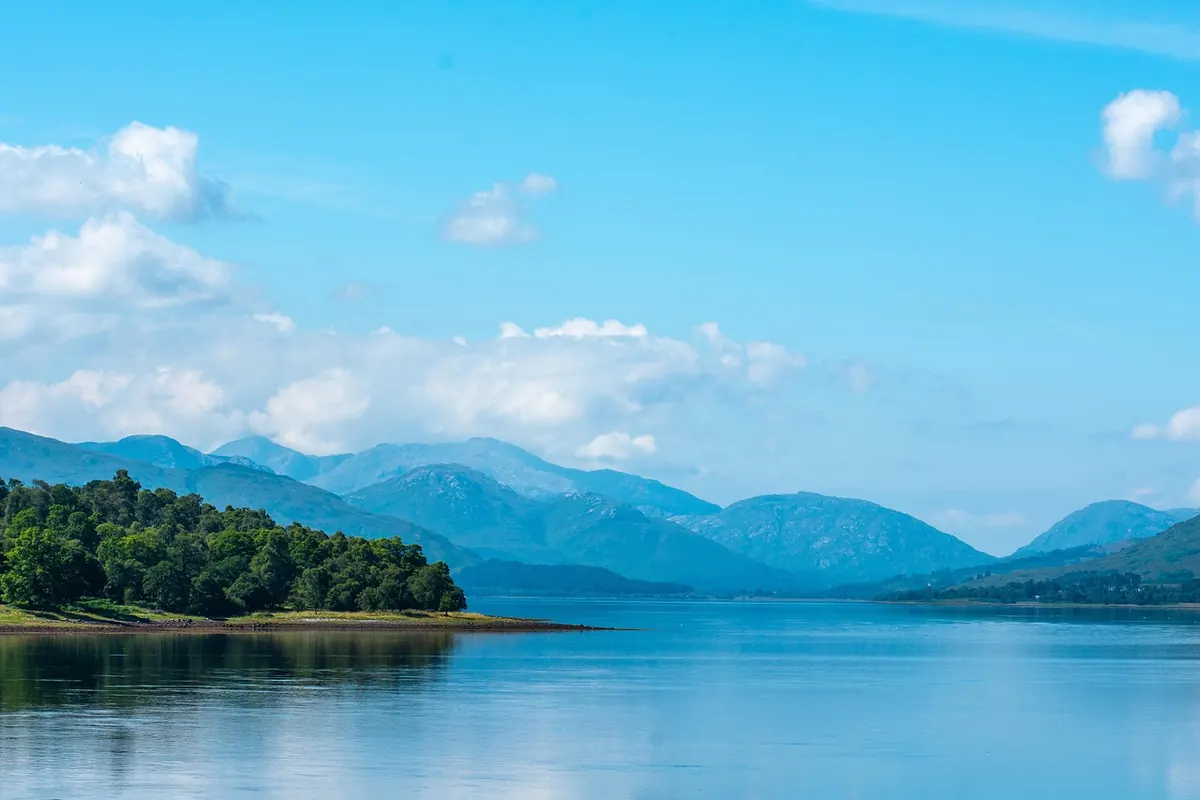
Two names come up before any others when people plan a first trip to Scotland: Loch Ness and Loch Lomond. One is famous because of a monster, the other because of a song. They sit a few hours apart by road, they look nothing alike, and they suit very different kinds of trips. If you only have time for one, the answer comes down to where you're starting, how long you have, and whether you'd rather have mountains around you or a legend beside you.
The short answer
If you want a decision now, here it is:
- Choose Loch Lomond if you're based in Glasgow or Edinburgh, have a day or two, and want easy train access, real hills and a mix of villages, islands and water sports.
- Choose Loch Ness if you're heading north anyway — to Inverness, the Great Glen, or onward to Skye — and want a castle, a boat trip and the pleasure of telling people you went monster hunting.
- Choose both if you have five days or more. The natural route between Glasgow and Inverness, via Fort William, links the two without much detouring.
Scenery: two very different kinds of drama
Loch Lomond: width, islands and mountains
Loch Lomond is the largest inland stretch of water in Great Britain by surface area, and it changes character as you travel north. The southern end near Balloch is wide and almost lake-like, scattered with wooded islands. Push up towards Arrochar and Tarbet and the loch narrows sharply, with Ben Lomond on the east shore and the Arrochar Alps crowding in on the west. It's a landscape that feels generous — plenty to look at, plenty of places to stop.
Loch Ness: one long, moody trench
Loch Ness runs in a straight line for roughly 23 miles along the Great Glen, a geological fault that slices across the Highlands. It isn't Scotland's deepest loch (that's Loch Morar), but it holds more water than any other in Britain. The sides are steep and forested, the water is peaty-dark, and the whole thing has a brooding, horizontal quality. On a grey day it looks exactly as you'd hope. On a bright one, the long views down the glen are superb.
Getting there and getting around
Loch Lomond is the easier of the two without a car. Trains run from Glasgow Queen Street to Balloch at the southern end in well under an hour, and the West Highland Line stops at Arrochar and Tarbet further north. Buses link the main villages. Driving is straightforward on the A82 and M8, though car parks at Luss, Balmaha and Balmaha's ferry point fill early on summer weekends.
Loch Ness is less convenient by public transport but far from difficult. Inverness is the gateway, with rail and air links and buses running south to Drumnadrochit and on to Fort Augustus. To see the loch properly, though, you want a car — the roads along both shores let you stop where you like, and the full circuit makes a satisfying day out.
What you can actually do
Both lochs offer walking, cycling and boats, but the flavour differs.
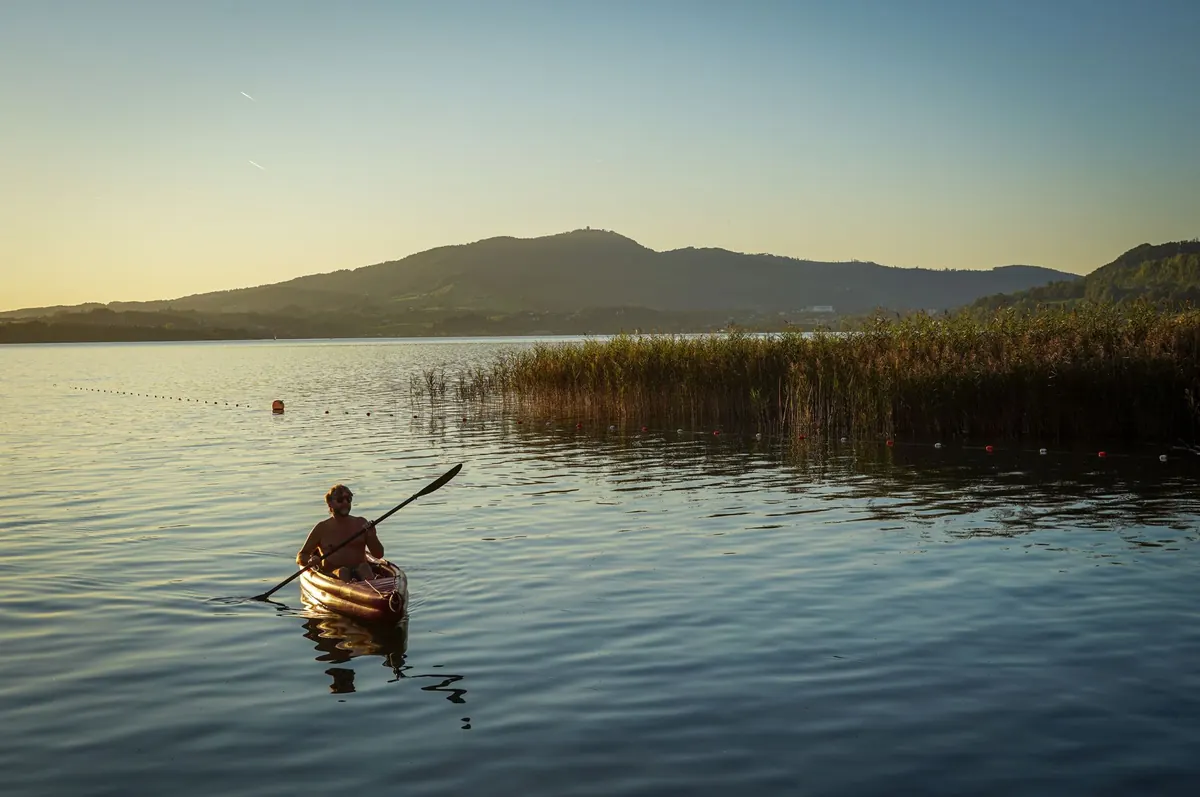
- Lomond highlights: climbing Ben Lomond, the most southerly Munro; the first stages of the West Highland Way; a short ferry to Inchcailloch island; kayaking or paddleboarding from Balloch or Luss; browsing Loch Lomond Shores.
- Ness highlights: Urquhart Castle, boat cruises from Inverness, Drumnadrochit and Fort Augustus; the Loch Ness Centre in Drumnadrochit; the Falls of Foyers; and long-distance routes including the Great Glen Way and the South Loch Ness Trail.
A word on midges: the west side of Scotland, including Loch Lomond, tends to be worse from late May to August, especially at dusk near sheltered water. Take repellent and a head net, and don't plan a still, damp evening picnic.
Costs: where your money actually goes
Neither loch charges you to look at it. Your spending will cluster in a few predictable places: parking at popular car parks, castle and visitor-centre admission, boat trips, and accommodation. Inverness has a wide spread of hotels, guesthouses and hostels, which helps if you're booking late. Around Loch Lomond, summer demand near Balloch and Luss pushes prices up, so book ahead or base yourself slightly further out in Drymen or Alexandria.
If you're camping, remember that Scottish access rights allow wild camping on most unenclosed land, but the Loch Lomond and the Trossachs National Park operates camping byelaws in certain areas, with permits required in season. Check the rules for your specific spot before you pitch. For anything involving bookings, insurance or permits, it's worth confirming current details with the relevant operator or park authority.
Crowds and timing
Loch Lomond is roughly an hour from Glasgow, which makes it a default weekend escape. Luss, Balmaha and Balloch get busy, particularly on sunny Saturdays in July and August. Go early, or aim for a weekday, and the same places feel entirely different.
Loch Ness absorbs people better because it's so long. Urquhart Castle and the Inverness end are the pinch points; drive twenty minutes along either shore and you'll often have a lay-by and a view to yourself. May, June and September are the sweet spots for weather, light and manageable numbers. October brings autumn colour and fewer visitors, with shorter days.
Which should you visit first?
Work through this, in order:
- Where are you starting? Glasgow or Edinburgh with two or three days: Loch Lomond. Already heading to Inverness or Skye: Loch Ness.
- Do you have a car? No car: Loch Lomond, comfortably. Car: either, and Loch Ness becomes much more rewarding.
- What do you want from the day? A hill to climb, an island to wander, a village lunch: Loch Lomond. A castle, a boat and a story to take home: Loch Ness.
- How long have you got? Under a week and travelling north anyway — do both. A day at Lomond, then the drive via Glencoe and Fort William, a night near Fort Augustus, and the loch road into Inverness.
If you genuinely can't decide, pick Loch Lomond for a first short break and save Loch Ness for the trip where you're going north regardless. Loch Lomond gives you an easy, varied introduction to Highland scenery. Loch Ness gives you the atmosphere, the history and the satisfaction of a very long drive beside very dark water. Neither will disappoint — but they will reward you differently.
Photo: dkean271 / Pixabay