


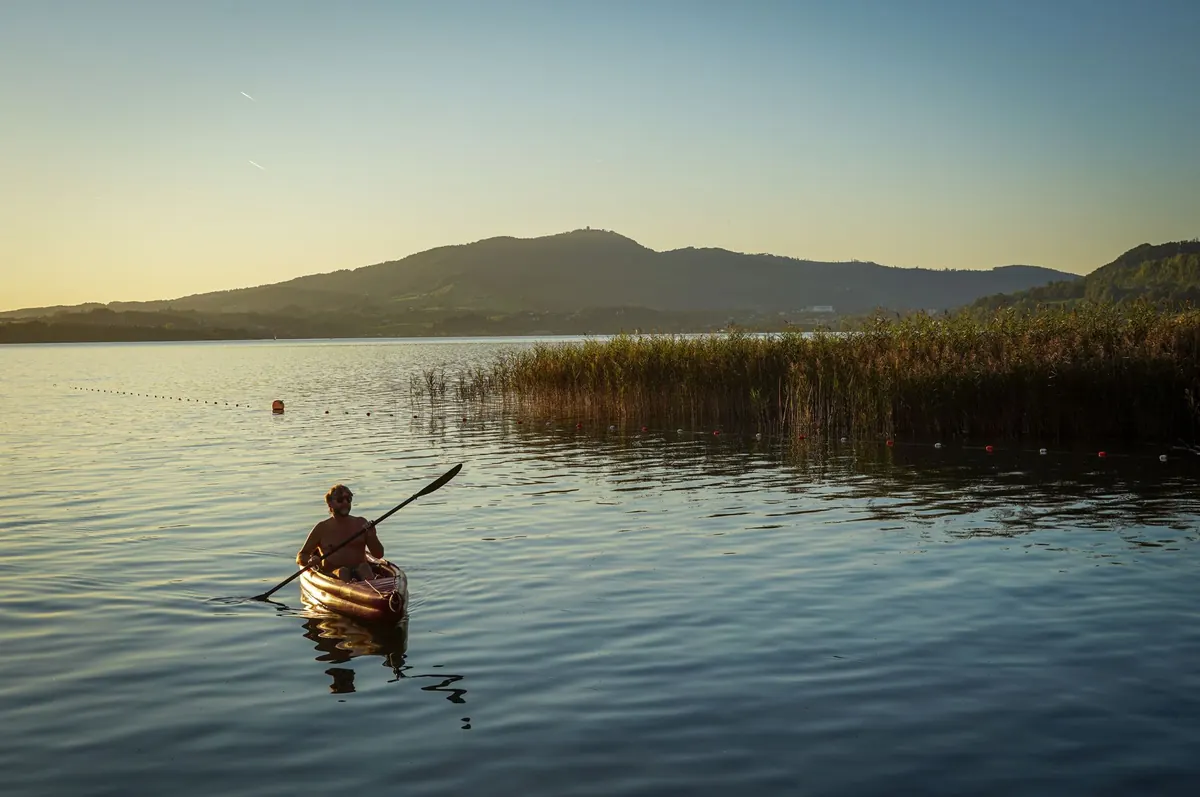

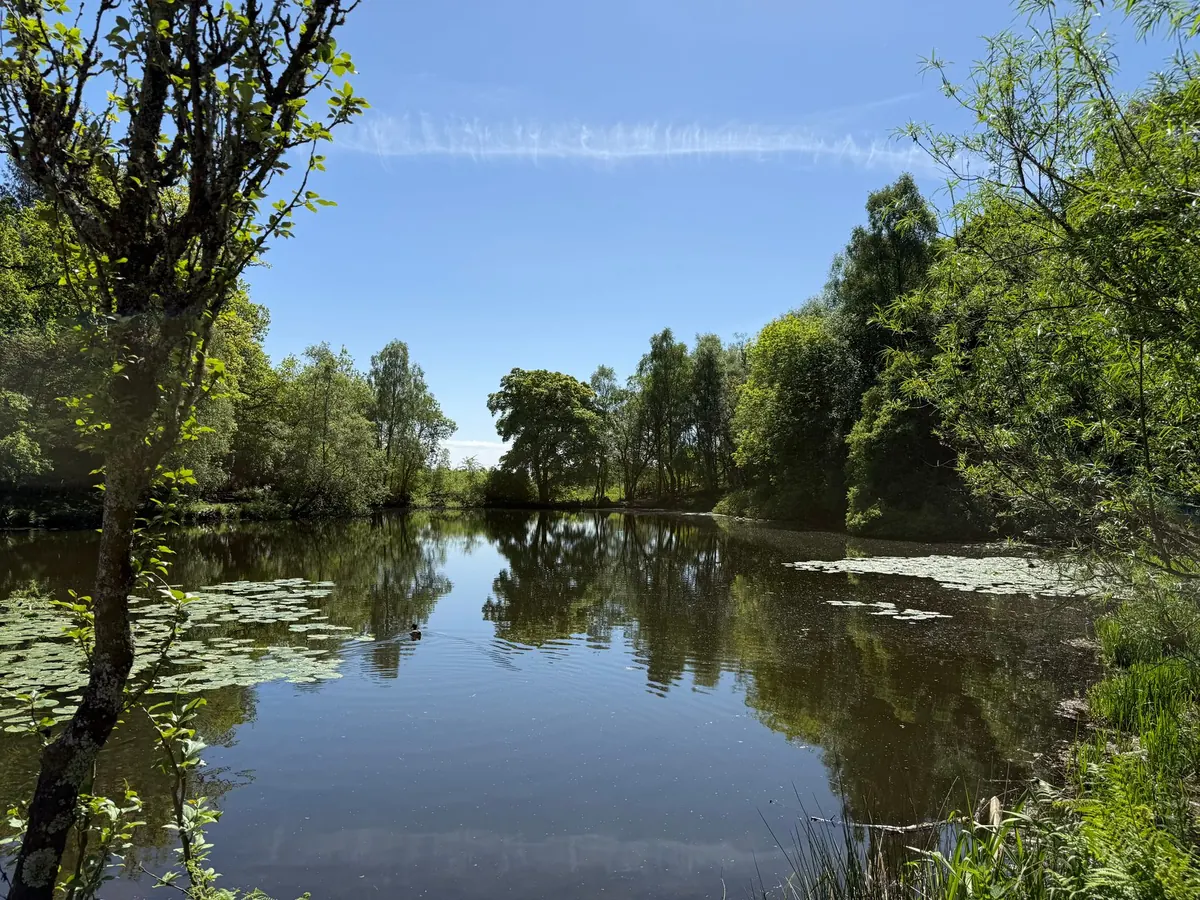
There is a moment on the shore of a Scottish loch, usually about knee-deep, when your body asks a fair question: are we sure about this? The water is dark and quiet, the hills make everything feel enormous, and the air is colder than the car park promised. Wild swimming here is one of the great free pleasures of the country. It also rewards a bit of thought. What follows is what a beginner genuinely needs to know — how cold water behaves, what to wear, how to read a loch, and how to get in and out without drama.
Cold Water Does Not Care How Tough You Are
Step into a loch in May and your breathing changes before your brain catches up. That gasp, the sudden urge to hyperventilate, the pounding in your chest — that is cold water shock, and it happens to everyone regardless of age, fitness or how many lengths you can swim in a pool. The trick is not to fight it, and definitely not to plunge in at all. Walk in slowly. Splash water on your face and wrists. Breathe out long and slow instead of snatching at the air. Within a minute or two your body settles, and that is when you can actually swim.
Keep your first swims short. In single-figure water, a few minutes is a real swim. Hands and feet stop working properly before you feel dangerously cold, so stay within your depth and close to the shore. Get out while you are still enjoying yourself, not when your jaw starts clattering.
Read the Loch Before You Get In
A loch is a weather system with its own opinions. Wind direction matters more than air temperature: a wind blowing straight down the length of the water builds chop, and what looks like a pleasant ripple from the car park can be a hard swim back. Heavy rain raises levels and strengthens currents near burns and outflows, and sea lochs move with the tide at both ends.
- Forecast: check wind speed and gusts, not just temperature, and check again an hour before you leave.
- Surface: whitecaps, breaking wavelets or a sulky grey chop all mean no.
- Shore: work out whether you are stepping onto a gentle gravel shelf or a steep drop-off. Walk the exit before you swim it.
- Water: pea-soup green or streaky scum can mean an algal bloom. Choose another spot.
- Signs: read them. Some water bodies, including reservoirs, have restrictions on swimming.
The Kit That Actually Matters
You do not need much, but the right few items turn a shivery ordeal into something you will want to repeat.
- A wetsuit, at least for your first season. It buys you time and confidence; a 3mm upwards is plenty for summer lochs.
- Neoprene socks, gloves and a bright swim hat. Extremities go cold first, and a coloured hat makes you visible.
- A tow float. It is not a lifejacket, but it is something to rest on and it tells boats and kayakers exactly where you are.
- Goggles you have actually tested.
- Old trainers or water shoes for rocky, weedy entries.
- A dry bag for your phone, keys and car fob.
- Warm layers, a woolly hat, a towel and a flask — all left within arm's reach of the water's edge.
- Something dry to stand on while you change.
Leave alcohol for afterwards. It widens blood vessels and makes cold water far more dangerous than it already is.
Entry and Exit: Where Beginners Come Unstuck
Before you get in, choose your exit point and check it with your eyes and feet. Getting out of cold water is much harder than getting in, and the rock you slid down on the way in may be a slippery, weed-covered trap on the way back.
Enter by wading, never by diving or jumping — you do not know the depth, and a shock response underwater is how accidents start. Face the shore as you go, keep your feet under you, and take the first thirty seconds slowly. On the way out, get low if you need to: hands and knees over rocks is undignified and completely normal. Put shoes on before you start shivering, and dress your top half first, hat included, while your legs are still dripping.
Go With Someone, and Tell Someone Else
The simplest safety system in wild swimming is another person. A buddy can watch you, carry your kit, call for help and — just as valuable — talk you into a sensible decision when you are overexcited. Failing that, swim where someone on shore can see you, and tell a friend where you are going and when you expect to be back.
Mobile signal is patchy in glens, so do not build your plan around it. If something goes wrong, call 999 and follow the operator's instructions; for coastal and sea lochs you will usually be put through to the coastguard.
Access, Courtesy and Leaving No Trace
Scotland's access rights are generous. Under the principle of responsible access, the public can generally swim in most inland water, provided they behave sensibly and respect other people's privacy and livelihoods. Those rights are not unlimited: water supply reservoirs, working fisheries and signed areas may be off-limits, and the right response to a clear sign is to swim somewhere else rather than argue.
Share the water with anglers and give their lines a wide berth. Park where you are not blocking a gate or a passing place. Take every scrap of litter home, do not light fires on the shore, and keep soap and shampoo out of the loch entirely.
Your First Swim, Step by Step
- Pick a shallow, sheltered entry with an obvious easy exit, near a car park.
- Check the wind, the surface and the signs, and tell someone your plan.
- Lay out warm clothes, towel and flask before you undress.
- Wade in slowly, breathe out, and stop at chest depth.
- Swim parallel to the shore for a few minutes, towing your float.
- Come out before you feel done, dress quickly, and warm up gradually with a hot drink and gentle walking.
Anyone with a heart condition, uncontrolled epilepsy or another significant health issue should take medical advice before starting cold-water swimming; that is a conversation for a doctor, not a website. And if the loch looks wrong on the day — too windy, too choppy, too cold — the right call is tea and a walk instead. The loch will still be there next week.
Photo: Wilson Crawford / Pexels