

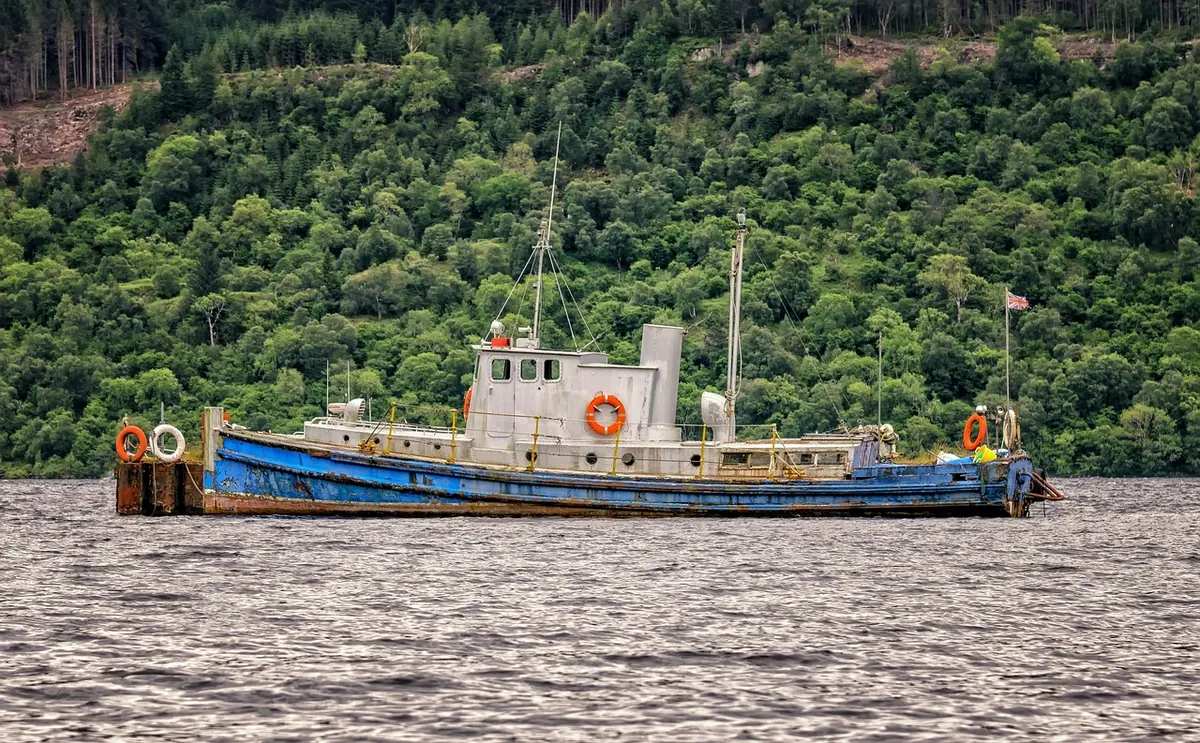
Loch Ness is the most famous stretch of water in Scotland, and that fame has a price. The car park at Urquhart Castle fills before you have finished breakfast, the A82 crawls with coaches in July, and plenty of visitors go home without ever having stood somewhere quiet and simply looked at the water.
The good news is that most of the mistakes people make here are small and easy to avoid. Here are the ones that come up again and again.
Timing: arriving when everyone else does
Loch Ness is a day-trip destination, so it has a rush hour. In summer, coach parties reach the main sites — Urquhart Castle, the exhibitions in Drumnadrochit, the canal locks at Fort Augustus — from mid-morning until mid-afternoon. Arrive in that window and you will queue for parking, queue for coffee, and share every viewpoint with a crowd.
Go early or go late. Before 10am you can usually park without drama, and the light on the water is better for photographs anyway. In June and July it stays bright well into the evening, long enough for a shore walk after dinner. Winter is the reverse: check sunset times before you set out and don't leave a long drive until mid-afternoon.
Midges belong in this section too. They are worst from late spring to early autumn, especially at dawn and dusk, in calm damp conditions, and near trees and boggy ground. A breeze on an exposed shore is your friend. Pack repellent and long sleeves rather than hoping for the best.
Parking problems and the roads that surprise people
Parking at Dores beach, at the canal in Fort Augustus and at Urquhart Castle is limited and disappears fast on a sunny day. Some visitors end up on verges, in front of field gates or in passing places on the east side. That causes genuine problems for residents, farmers and emergency vehicles, and it can earn you a fine.
- Use signed car parks, even when it means a ten-minute walk.
- Never leave a car in a passing place on a single-track road. They exist so vehicles can get past each other.
- Don't stop on the A82 for a photograph. Pull into a marked viewpoint instead.
- On single-track roads, pull in to let faster traffic past when it is safe and convenient. It is the local habit and it keeps everything moving.
Distances on the east side also look shorter on a map than they feel on the road. The route through Inverfarigaig, Foyers and Whitebridge is narrow, winding and slow going, and the drive from Inverness down to Fort Augustus takes considerably longer in summer than the mileage suggests.
Expecting the monster to show up
The story is why most people come, and there is nothing wrong with enjoying it. But if a sighting is your only reason for the trip, you are setting yourself up for a flat afternoon. There is no scheduled appearance, no dramatic reveal, and the boat trips and exhibitions are entertainment rather than evidence. Even the most famous photograph of the creature, published in the 1930s, was admitted decades later to have been a hoax.
What is genuinely remarkable is the loch itself. It sits in the Great Glen, a fault line that splits the Highlands from Inverness to Fort William, and it is over 200 metres deep in places — deeper than much of the North Sea. Standing on the shore at Dores or Foyers and registering that scale is worth more than any souvenir.
Misreading the weather
Highland weather changes quickly, and the loch makes its own wind. A still, warm morning in Inverness can be a cold, gusty afternoon at Invermoriston. Bring a waterproof shell, a warm mid-layer and something for your head, and treat the forecast as a rough guide rather than a promise.
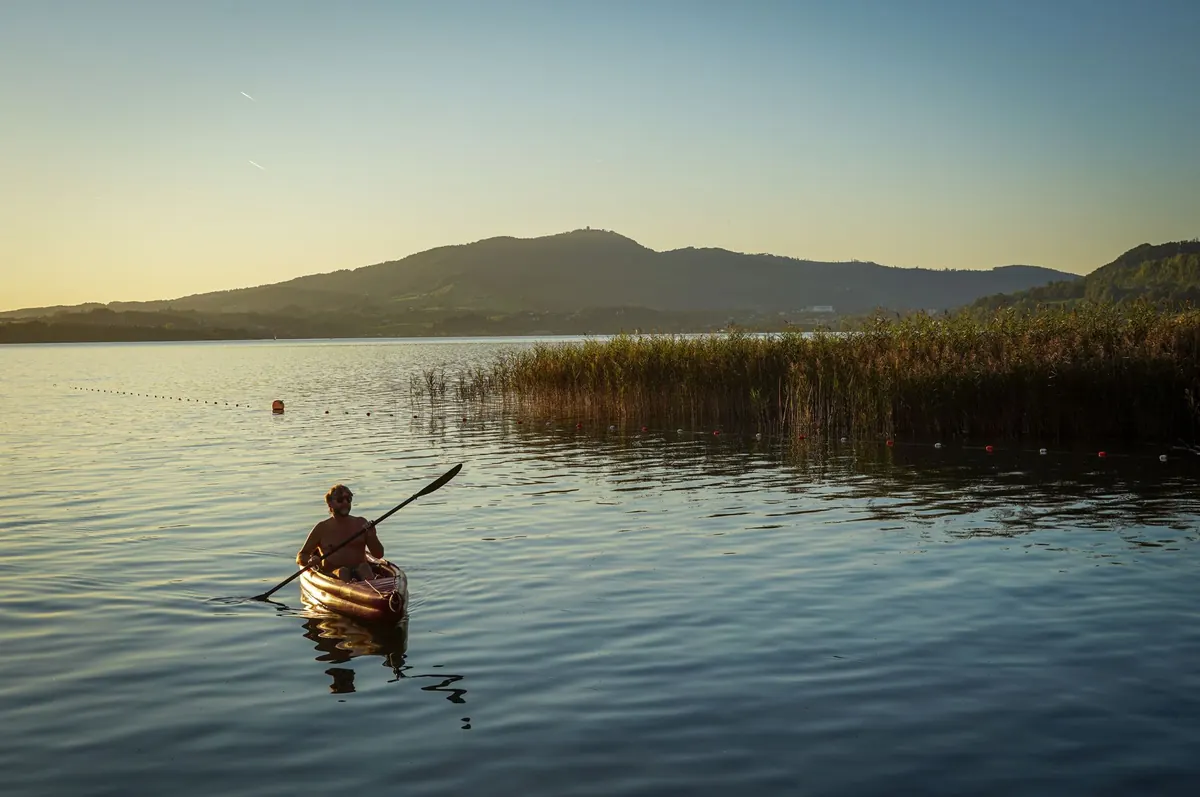
Rain is not a reason to cancel. Low cloud over the water can be far more atmospheric than clear blue sky, and the crowds thin out immediately. The water, though, is cold all year round, with steep drop-offs close to shore. If you plan to swim or paddle, go with people who know the water, check conditions on the day and never assume a summer air temperature means a warm loch.
Trying to cover the whole loch in one day
Loch Ness runs about 23 miles from end to end, and the roads around it are not fast. Attempting to tick off Inverness, Drumnadrochit, Urquhart Castle, Foyers, Invermoriston and Fort Augustus in a single day means spending most of it behind a windscreen.
Choose one shore and do it properly. The east side, reached by the B862 and B852, is quieter, with good stopping points and views back across to the busier west. The west side has the castle, the villages and easier access. Either way, two or three stops with time to walk beats six stops with time only to park.
Ignoring the practical details
Facilities are thin once you leave the main villages. Fuel up in Inverness, Drumnadrochit or Fort Augustus before heading along the quieter stretches, carry water and food, and don't count on finding a toilet between settlements. Mobile signal is patchy in the glen, so download offline maps before you set off and tell someone your rough plan if you are walking a remote section.
A simple day that works
- Pick one shore rather than both, and decide your two or three stops in advance.
- Arrive at the busiest site before 10am, or save it for after 4pm.
- Park once and walk. Shore paths at Dores, Foyers and Fort Augustus reward a slow hour.
- Book any boat trip ahead in summer, when popular departures fill up.
- Leave slack in the day for weather, roadworks and the temptation to stop again.
Do that and Loch Ness stops being a box to tick. It becomes what it actually is: a long, dark, extraordinary body of water, with the Highlands pressing in on both sides.
Photo: Tama66 / Pixabay